Pool Tile Regrouting — Taman SEA, Petaling Jaya
The owners of a corner-lot bungalow in Taman SEA, Petaling Jaya noticed that their pool was losing water at an unusually high rate — approximately 3 centimetres per day, well beyond normal evaporation in Malaysia's climate. A leak detection test confirmed that the water loss was occurring through the tiled surfaces rather than through plumbing or structural cracks. The pool was 15 years old, and the original cement-based grout had deteriorated significantly.
Upon draining the pool for inspection, the extent of the damage was clear. The grout had crumbled and washed out across approximately 70% of the pool floor and walls. In many areas, the tiles were essentially sitting loose — held in place only by the adhesive beneath but with open joints allowing water to pass freely behind the tiles and into the pool shell. Several tiles along the waterline had also lifted due to prolonged moisture exposure behind them, and there was visible efflorescence (white calcium deposits) on the grout lines — a telltale sign of water migrating through the tile layer.
We proposed a full regrouting of the entire pool rather than patch repairs, as the deterioration was systemic and localised fixes would only delay the inevitable. The project was planned over five working days to minimise the pool's downtime.
Day 1 was dedicated to preparation. After fully draining and power-washing the pool, our team used oscillating multi-tools and carbide grout saws to remove all existing grout from the joints. This is painstaking work — every joint needs to be cleaned to a minimum depth of 5mm to ensure the new grout bonds properly. We also removed and set aside 23 tiles that had fully debonded from the substrate for re-installation.
On Day 2, we applied a two-coat crystalline waterproofing membrane to all areas where grout had been removed. This membrane penetrates into the concrete substrate and forms insoluble crystals that block water migration even if the grout were ever to crack in the future. It provides a secondary waterproofing layer that the original pool never had. We also re-adhered the 23 loose tiles using a polymer-modified thin-set adhesive rated for permanent submersion.
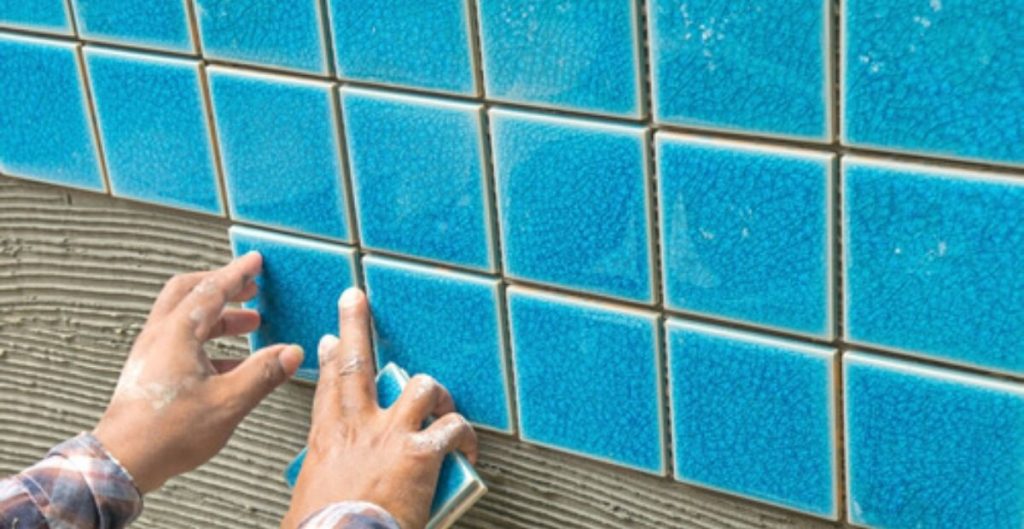
Days 3 and 4 were devoted to regrouting. We used a premium two-part epoxy grout system rather than standard cement grout. Epoxy grout is significantly more durable in a pool environment — it is waterproof, resistant to chemical erosion from chlorine, does not shrink or crack, and resists algae and mould growth. The application is more labour-intensive (epoxy has a limited working time and requires meticulous cleanup), but the result is a joint that will last the lifetime of the tiles. We colour-matched the grout to the original specification so the finished appearance is uniform.
On Day 5, we applied a penetrating sealant over all grout lines as an additional protective measure, conducted a 24-hour fill test to verify that water loss had been eliminated, and performed a final acid wash of all tile surfaces to remove any haze from the grouting process.
The 24-hour fill test confirmed zero measurable water loss — the pool held its level perfectly overnight for the first time in years. The homeowner reported that their water bill dropped noticeably in the following month, as they were no longer constantly topping up the pool from the mains supply.
The epoxy grout lines look crisp and clean, and the overall appearance of the pool has been dramatically refreshed — the homeowner said it looks better now than when the house was new. Based on the quality of the tiles (which are still in excellent condition beneath the old grout) and the durability of the epoxy grout system, we estimate the pool's tiled surfaces are now good for another 10 to 15 years before any intervention is needed. The homeowner has also signed up for our quarterly maintenance visits to ensure the pool chemistry remains within optimal ranges, which will further extend the life of the grout and tiles.
| Day | Task | Details |
|---|---|---|
| Day 1 | Drain & Preparation | Full drain, power wash, remove all old grout to 5mm depth using oscillating tools |
| Day 2 | Waterproofing & Tile Repair | Apply 2-coat crystalline membrane, re-adhere 23 loose tiles with submersion-rated adhesive |
| Day 3 | Epoxy Grouting (Floor) | Apply premium two-part epoxy grout to all floor joints, colour-matched to original |
| Day 4 | Epoxy Grouting (Walls & Waterline) | Complete wall and waterline regrouting, detail work around fittings and returns |
| Day 5 | Sealing & Testing | Apply penetrating sealant, acid wash, refill pool, begin 24-hour fill test |
"We were topping up the pool almost every other day and dreading the water bill. After Ultra Pool Care regrouted the entire pool, the water level has not dropped a single centimetre. The pool looks brand new — even our neighbours have commented on how fresh it looks. Excellent workmanship."
Crumbling grout and loose tiles lead to costly water loss and structural damage. Our epoxy regrouting solutions restore your pool's integrity for years to come. WhatsApp us for a free inspection.